 HDPE woven sacks have become an essential part of packaging across various industries due to their durability, strength, and versatility. These sacks are commonly used for packaging products like grains, chemicals, fertilizers, and many other goods. The process of manufacturing HDPE woven sacks involves several meticulous steps, ensuring they meet the required standards for strength and reliability. In this blog, we will take you through the step-by-step process of how HDPE woven sacks ↗ are manufactured.
1. Raw Material Selection
The first step in manufacturing HDPE woven sacks is selecting the right raw material. HDPE (High-Density Polyethylene) is the primary material used in the production of these sacks. The quality of HDPE plays a crucial role in determining the strength and durability of the final product. The raw material is sourced from reliable suppliers and must meet the required quality standards before proceeding to the next step.
Polypropylene (PP) is also commonly used in combination with HDPE to produce woven sacks. In such cases, manufacturers may rely on PP HDPE woven sacks for enhanced durability and flexibility. Whether using pure HDPE or a combination of PP and HDPE, the choice of raw material is critical to the final product's performance.
2. Extrusion of Plastic Film
Once the raw material is selected, the next step is extrusion. In this process, the HDPE plastic is heated and melted, then passed through a die to form a thin plastic film. The extrusion machine creates continuous plastic sheets, which are then cooled to harden them into flat sheets.
The extrusion process ensures that the plastic is uniform and smooth, which is crucial for the next steps in the manufacturing process. The thickness of the plastic sheet can be adjusted to suit the specific requirements of the woven sacks, depending on the end-use of the product.
3. Weaving the Fabric
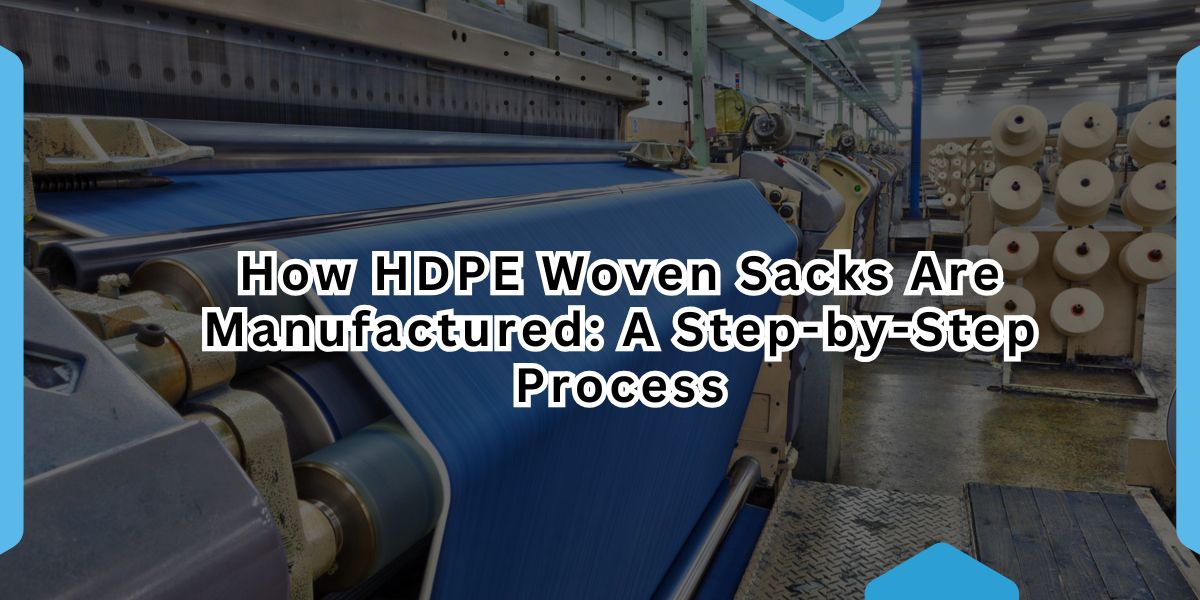
After the plastic film has been extruded, it is time to weave the fabric. The thin plastic film is cut into small strips, which are then woven together on a loom. This step is where the term woven sacks ↗ comes from – the individual plastic strips are woven together to form a strong, flexible fabric.
The weaving process is typically done on large machines designed for high-speed weaving. These machines interlace the plastic strips in a crisscross pattern, creating a robust, grid-like structure that enhances the strength of the fabric. The fabric produced through this process is known as woven polypropylene (PP) fabric, or more commonly, woven sacks fabric. The fabric’s weave pattern can be customized based on the intended use, such as tight weaving for heavier-duty sacks or looser weaving for lighter applications.
4. Fabric Coating
Once the fabric has been woven, it often undergoes a coating process to enhance its durability and water resistance. The coating helps protect the fabric from environmental factors such as moisture, UV radiation, and chemical exposure. The coating is usually made of a layer of LDPE (Low-Density Polyethylene), which is applied to the woven fabric.
The fabric is passed through a machine that coats it with a thin layer of LDPE, which is then cured to bond with the fabric. This coating helps to make the woven sack water-resistant, which is especially important for packaging products like fertilizers or grains that must be kept dry.
5. Cutting and Shaping the Fabric
Once the fabric is coated, it is cut into the desired shape and size to form the individual sacks. The fabric can be cut into various sizes depending on the required dimensions of the woven sacks. Each cut piece is then shaped into a tube-like structure or a flat sack, depending on the design of the final product.
At this stage, the sacks can either be stitched on the sides to form an open-ended or closed sack, or they can be equipped with a bottom seal. The cutting and shaping process is critical because it ensures that each sack is uniform in size and meets the specifications required by the end-user.
6. Sewing and Stitching
Once the fabric is cut to the required dimensions, the next step is sewing and stitching. The sides of the woven sack are stitched together using industrial sewing machines. These machines are designed to handle the strength and thickness of the woven fabric, ensuring that the stitching is secure and will not break under pressure.
The stitching process is done with high-quality thread to ensure durability. Additionally, the sacks can be designed with features like drawstrings, handles, or other specialized closures depending on their intended use. This step is essential for ensuring that the sacks can safely hold and transport the goods they are designed for.
7. Printing and Labeling
The next step involves printing and labeling the sacks. Many HDPE woven sacks are used for branding purposes, so printing the company’s logo, product information, or safety instructions is an important part of the manufacturing process. Printing is typically done using screen printing or flexographic printing techniques, which allow for high-quality, durable designs.
The labels or printed information on the sacks help to identify the product inside and provide necessary information to consumers or transporters. This step also adds an aesthetic value to the sacks, making them more recognizable and professional.
8. Quality Control
Quality control is a critical part of the manufacturing process. Before the woven sacks are shipped out to the customers, they undergo rigorous quality control checks to ensure they meet the required standards. These checks involve examining the sacks for any defects in the weaving, stitching, coating, or printing.
Quality control ensures that the sacks are strong, durable, and free of defects, ensuring they can withstand the rigors of transportation and handling. The sacks are also tested for water resistance, UV protection, and other factors depending on their intended use.
9. Packaging and Shipping
Finally, once the woven sacks have passed the quality control checks, they are packaged and prepared for shipment. The sacks are typically bundled together and wrapped in plastic to keep them secure during transportation. The packaging is labeled with relevant shipping information, and the sacks are sent to distributors or directly to the customers.
Depending on the order size, the sacks are packed in bulk or in smaller quantities and shipped to various locations. Manufacturers work closely with logistics providers to ensure timely delivery to customers.
Conclusion
The process of manufacturing HDPE woven sacks is a complex and meticulous one that requires careful attention to detail at each step. From selecting the raw materials to packaging the final product, each stage plays a crucial role in ensuring the strength, durability, and functionality of the woven sacks. HDPE woven sacks are essential for industries that require robust, reliable packaging solutions, and the manufacturing process ensures that each sack meets the highest standards.
At Gujarat Dyestuff Industries Pvt. Ltd ↗., we specialize in producing high-quality woven sacks, offering solutions tailored to your needs. Whether you're looking for PP woven sack bags or HDPE woven sacks, we provide durable and reliable products for all your packaging needs. For more information or to place an order, feel free to contact us ↗ today!