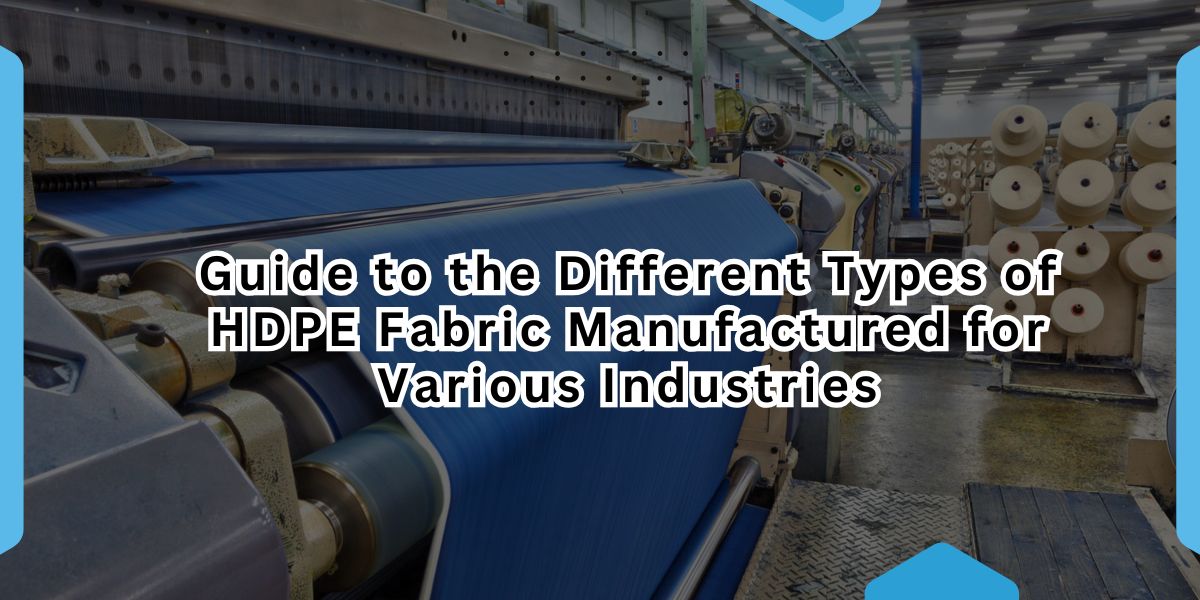
 High-Density Polyethylene (HDPE) fabric is a versatile and durable material used across a variety of industries. Known for its strength, chemical resistance, and lightweight properties, HDPE fabric is a popular choice for manufacturers seeking a cost-effective and reliable material. This guide provides an overview of the different types of HDPE fabrics ↗ available, and how they are utilized in various industries.
1. Understanding HDPE Fabric and Its Benefits
HDPE fabric is made from high-density polyethylene, a thermoplastic polymer. It is typically produced using extrusion and weaving processes. The fabric is known for its durability, strength, and resistance to chemicals, making it suitable for a variety of applications. HDPE fabrics are commonly used in industries such as agriculture, packaging, construction, and textiles due to their resilience and adaptability.
Some of the primary benefits of HDPE fabric include:
-
Durability: HDPE fabric is resistant to wear and tear, which makes it suitable for heavy-duty applications.
-
Water Resistance: It is resistant to water absorption, making it ideal for outdoor use in environments that are exposed to moisture.
-
UV Resistance: HDPE fabrics are UV stabilized, ensuring that they last longer in sun-exposed environments.
-
Cost-Effective: Compared to other fabrics, HDPE is affordable and accessible, making it a preferred choice for bulk production.
2. Types of HDPE Fabrics
HDPE fabric is produced in various forms to cater to different needs. Below are the most common types of HDPE fabrics manufactured for diverse industries:
a. HDPE Woven Fabrics
HDPE woven fabrics are produced by interlacing HDPE filaments in a criss-cross pattern. These fabrics are known for their strength and flexibility, making them ideal for use in industries such as agriculture and packaging. The fabric's structure allows for high tensile strength, which is essential for applications that involve heavy loads or stress.
Uses of HDPE woven fabrics include:
-
Agriculture: HDPE woven fabrics are used as weed barriers, shade nets, and ground covers in farming.
-
Packaging: They are used in the production of sacks, bags, and containers for various products.
-
Construction: HDPE woven fabrics are used as geotextiles for soil stabilization and erosion control.
b. HDPE PP Fabric
HDPE PP (Polypropylene) fabric is a blend of HDPE and polypropylene fibers. This combination creates a fabric that is even more resistant to chemicals and has enhanced mechanical properties. HDPE PP fabric ↗ is widely used in industrial applications where additional chemical resistance or durability is needed.
Applications of HDPE PP fabric include:
-
Chemical Industry: Used for packaging hazardous chemicals and materials.
-
Food Industry: Safe for use in the packaging of food products due to its non-toxic and resistant properties.
-
Waste Management: Used for lining landfills or for creating durable, long-lasting containers.
c. HDPE Laminated Fabric
HDPE laminated fabric is a form of HDPE fabric that has a coating of plastic or resin to enhance its water resistance, strength, and durability. The laminated layer provides extra protection against weather conditions and physical wear, making this fabric perfect for outdoor applications.
Applications of HDPE laminated fabric include:
-
Tarpaulins: Used for making heavy-duty tarps for covering equipment, machinery, and vehicles.
-
Cargo Covers: Ideal for use in the transport industry to protect goods from the elements.
-
Construction: Used as protective sheeting for construction sites or materials.
d. HDPE Non-Woven Fabrics
Non-woven HDPE fabric is created without weaving or knitting the fibers together. Instead, the fibers are bonded by heat, chemicals, or mechanical means, which gives the fabric a felt-like texture. Non-woven HDPE fabrics are lightweight, breathable, and highly absorbent, making them ideal for a wide range of applications.
Uses of HDPE non-woven fabrics include:
-
Medical and Hygiene Products: Used in the production of items like surgical masks, medical gowns, and diapers.
-
Filtration: Used in air and water filtration systems due to its porous structure.
-
Geotextiles: Often used in road construction and drainage systems to provide separation and filtration.
3. Industries That Rely on HDPE Fabric
Different industries utilize various types of HDPE fabric for specific purposes, each capitalizing on the unique properties of the material. The most prominent industries that rely on HDPE fabric include:
a. Agriculture
In agriculture, HDPE fabrics are widely used as protective covers for crops. The fabric helps to create controlled environments for plants, shielding them from pests, harsh weather, and temperature extremes. Agricultural applications include:
-
Ground Covers: Used to suppress weed growth and conserve soil moisture.
-
Shade Nets: Provide protection from intense sunlight, especially in regions with high temperatures.
-
Packaging: HDPE woven fabric bags are commonly used for storing and transporting agricultural products.
b. Packaging
The packaging industry extensively uses HDPE fabrics due to their durability and cost-effectiveness. Woven and laminated HDPE fabrics are ideal for creating sacks, bags, and containers that require strength and reliability. Applications include:
-
Bulk Packaging: Large HDPE bags for storing and transporting goods like grains, cement, and chemicals.
-
Consumer Packaging: Small HDPE bags for retail products that require resistance to moisture and wear.
c. Construction
In construction, HDPE fabrics serve a variety of roles, especially as geotextiles in infrastructure projects. These fabrics help in soil stabilization, erosion control, and drainage. Applications include:
-
Road Construction: HDPE woven fabrics are used for reinforcing soil and preventing erosion in roads and highways.
-
Foundation Lining: Provides support and drainage in building foundations, preventing soil movement.
d. Textile and Apparel
While HDPE is not traditionally used in clothing, it does find use in products like bags, tarps, and outdoor gear. The lightweight and waterproof nature of the fabric makes it ideal for durable consumer products.
4. Choosing the Right HDPE Fabric Manufacturer
When selecting an HDPE fabric manufacturer, it’s essential to look for a reputable company that understands the needs of various industries. Look for manufacturers with experience in producing high-quality HDPE woven fabrics and other variations of HDPE fabrics. Companies that specialize in HDPE PP woven fabric and provide custom fabric solutions can offer the best products for your specific requirements.
Gujarat Dyestuff Industries Pvt. Ltd. is one such trusted name in the HDPE fabric industry. With years of experience in manufacturing HDPE woven fabrics, HDPE PP fabric, and other types of high-quality fabrics, Gujarat Dyestuff Industries ensures that its products meet industry standards and customer expectations.
Conclusion
HDPE fabric is a versatile and essential material for various industries, offering durability, strength, and chemical resistance. Whether you need woven fabrics for agriculture, PP fabrics for industrial applications, or laminated fabrics for outdoor use, HDPE has proven to be a reliable and cost-effective choice. If you're looking for a reliable polypropylene woven fabric manufacturer or HDPE PP woven fabric manufacturers, Gujarat Dyestuff Industries Pvt. Ltd ↗. can help fulfill your needs.
For inquiries or to place an order, contact us ↗ today at Gujarat Dyestuff Industries Pvt. Ltd. We provide tailored solutions to meet the specific demands of your industry.